Healthy Futures, AmeriCorps: FoodCorps is connecting kids to real food and helping them grow up healthy
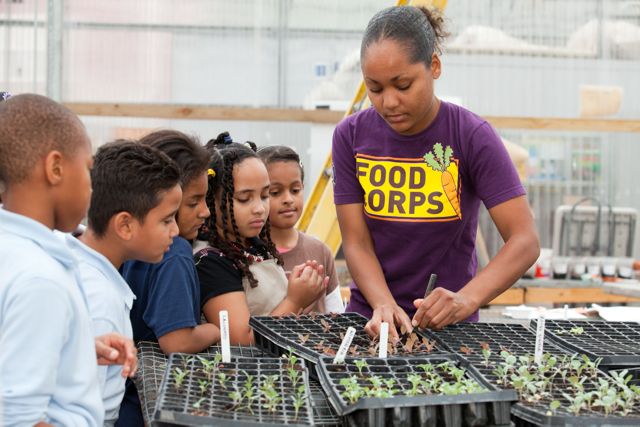
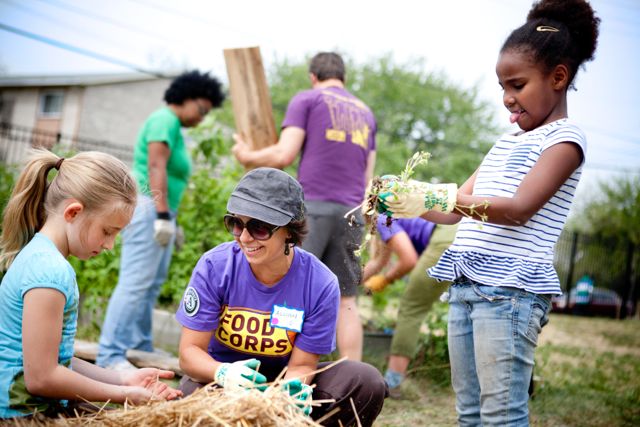
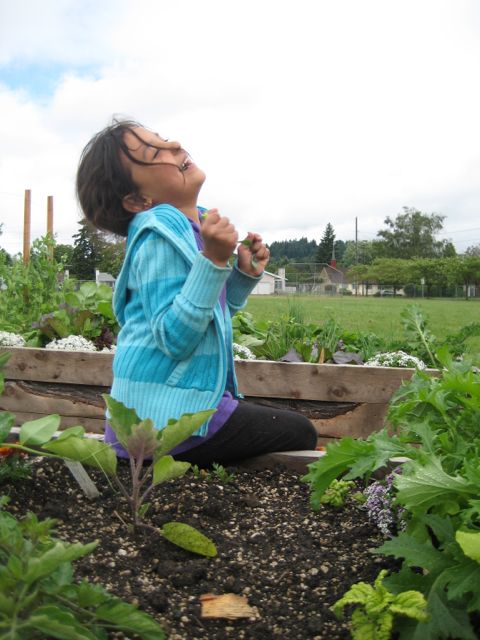
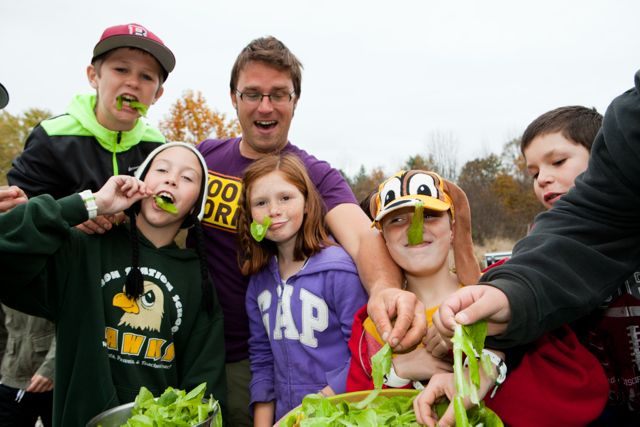
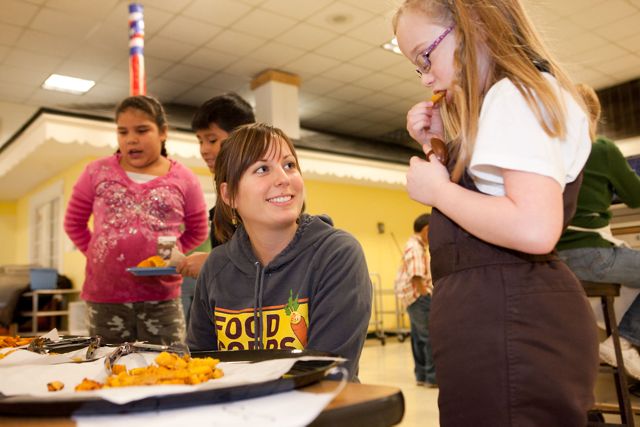
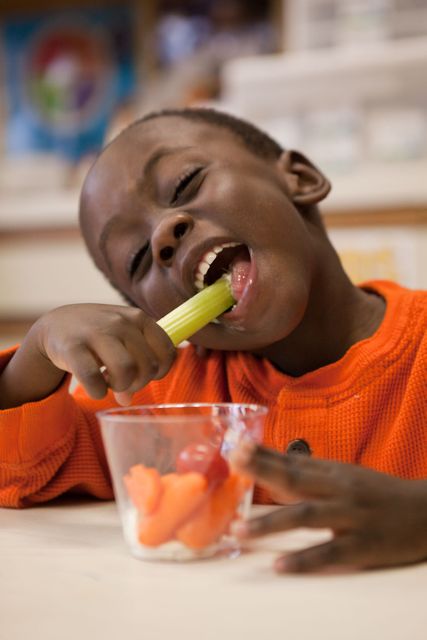
FoodCorps is a nationwide team of leaders that connects kids to real food and helps them grow up healthy. Leaders are placed in limited-resource communities where they conduct hands-on nutrition education, build and tend school gardens, and facilitate sourcing high-quality local food for public school cafeterias.
Our vision is two-fold: (1) to foster the development of a nation of children who know what healthy food is and who have access to it every day; and (2) to train and launch a generation of leaders who have the skills to build a healthy food landscape for the future. Launched in August of 2011, we provide a scalable response to America’s painful and costly epidemics of childhood obesity and food insecurity where it’s most effective: school.
FoodCorps service members transform school food environments through a three-pillared approach: (1) Knowledge: teach kids what healthy food is and where it comes from; (2) Engagement: build and tend school gardens with kids, parents and communities; and 3) Access: catalyze the sourcing of healthy food into cafeterias for school meals, offering them regular servings of the nutritious ingredients they’ve studied and grown.
We measure our impact weekly throughout the school year..In this past term alone, our corps of 80 service members has reached over 63,000 kids at more than 255 schools in the 12 states and 61 communities where they serve,
Our service members have also taught over 20,000 educational activities in the classroom and garden, built, revitalized and tended 347 gardens totaling over 13 football fields-worth of growing space, and donated over 10,300 pounds of produce from these gardens to families and communities members in need. They have also helped school food service staff develop 184 healthy recipes for their cafeterias and taste test them for youth approval.
FoodCorps is also measuring the impact we have on kids’ willingness to try healthy foods. The initial results are promising: 65% of service members’ classrooms across the country saw an improvement in average attitudes toward trying new fruits and vegetables.
While metrics are important, the stories behind them can be even more telling. In addition to tracking our impact quantitatively, we are constantly gathering stories that demonstrate, in a tangible and personal way, what success can look like for the children we serve. Service member Liz in New Mexico reports that, “We had a parent-student cooking workshop last Wednesday. While eating a beet, orange, and spinach salad, a 7th grade student asked his mom, ‘Is this vegetables? It tastes like candy!’” Daniel, serving his second term in Michigan reports that “After we visited each kindergarten class for a plant parts lesson and plant part tasting (with hummus and black bean dip), one of the food service staff commented following lunch service that the kindergarten students had taken a surprisingly large quantity of vegetables from the salad bar!”
0 comments