Environmental Stewardship; Senior Corps: FGP Big Green-Little Green Project
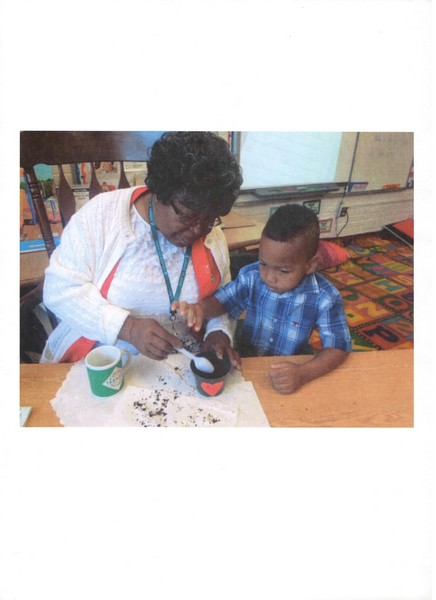
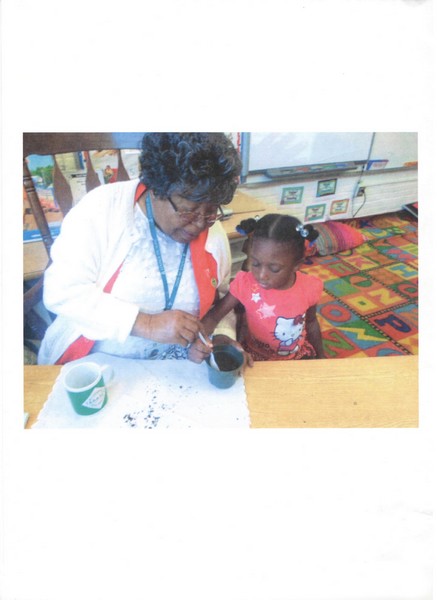
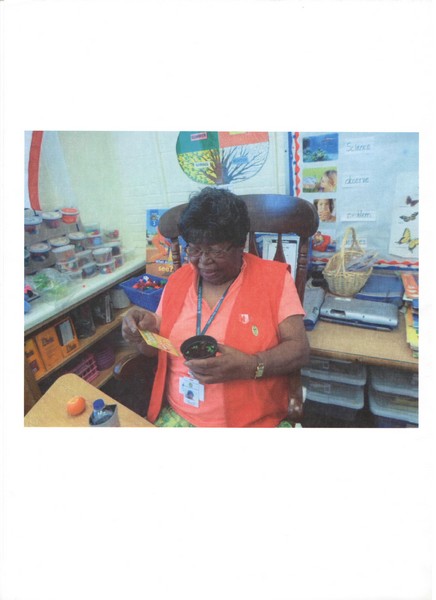
The Council on Aging of West Florida received a $3500 grant from International Paper Foundation (IPF) to fund The Big Green-Little Green project. Grant funds were used to purchase materials to support this project in elementary schools in Escambia and Santa Rosa Counties in Florida. Fifteen Foster Grandparents at eleven elementary schools participated in educating children about the importance of recycling and the environmental benefits that come from recycling. Before beginning the project, each class was given a pre-test asking how many students already recycled. Out of the 287 children that participated in the project, only 71 indicated that they already recycled at home. The first phase of this project involved reading and discussion on the subjects of recycling and plants. Fifteen books were purchased and a kit for each classroom was made using bags donated from Pen Air Federal Credit Union. After the reading and discussion portion of the project was completed, a post-test was given to each class. The results of the post-test were that 256 students said they would now recycle. Escambia County has only provided curbside recycling for less than 5 years. In 2008, the number of households participating in curbside recycling was 0% with an increase to 60% in 2011. In Santa Rosa County, only the southern part of the county offers curbside recycling with only drop off recycling being provided in the northern part of the county. Santa Rosa’s curbside participation has remained at the same 5% the past five years. In 2008, only 22% of materials were recycled in Escambia County with the rest being land filled. By 2011, this rose to 43%. In Santa Rosa County, the opposite has happened. In 2008, 31% of materials were recycled, but that number has decreased over the past few years to only be 21% in 2011. It has been shown that kids have a powerful influence over the recycling habits of households. The second phase of the project involved a planting project near the end of the school year. Fifteen classroom kits of TickleMe™ plants were purchased and distributed to the participating classes. The Foster Grandparents assisted students in planting the seeds and watching them grow. Each student then had their own plant to take home with them. According to Ray McNeilan, horticulturist emeritus with the Oregon State University Extension Service, environmental attitudes are formed early and kids need to understand how important plants and the environment are to themselves and everyone else. These attitudes and knowledge will be carried into their adult lives. Both the children and the Foster Grandparents learned the importance of recycling and being “green”. The first phase of the project also had the added benefit of also being a tool in assisting the Foster Grandparents with their focus on literacy.
0 comments