Environmental Stewardship, VISTA - Hope for the Headwaters
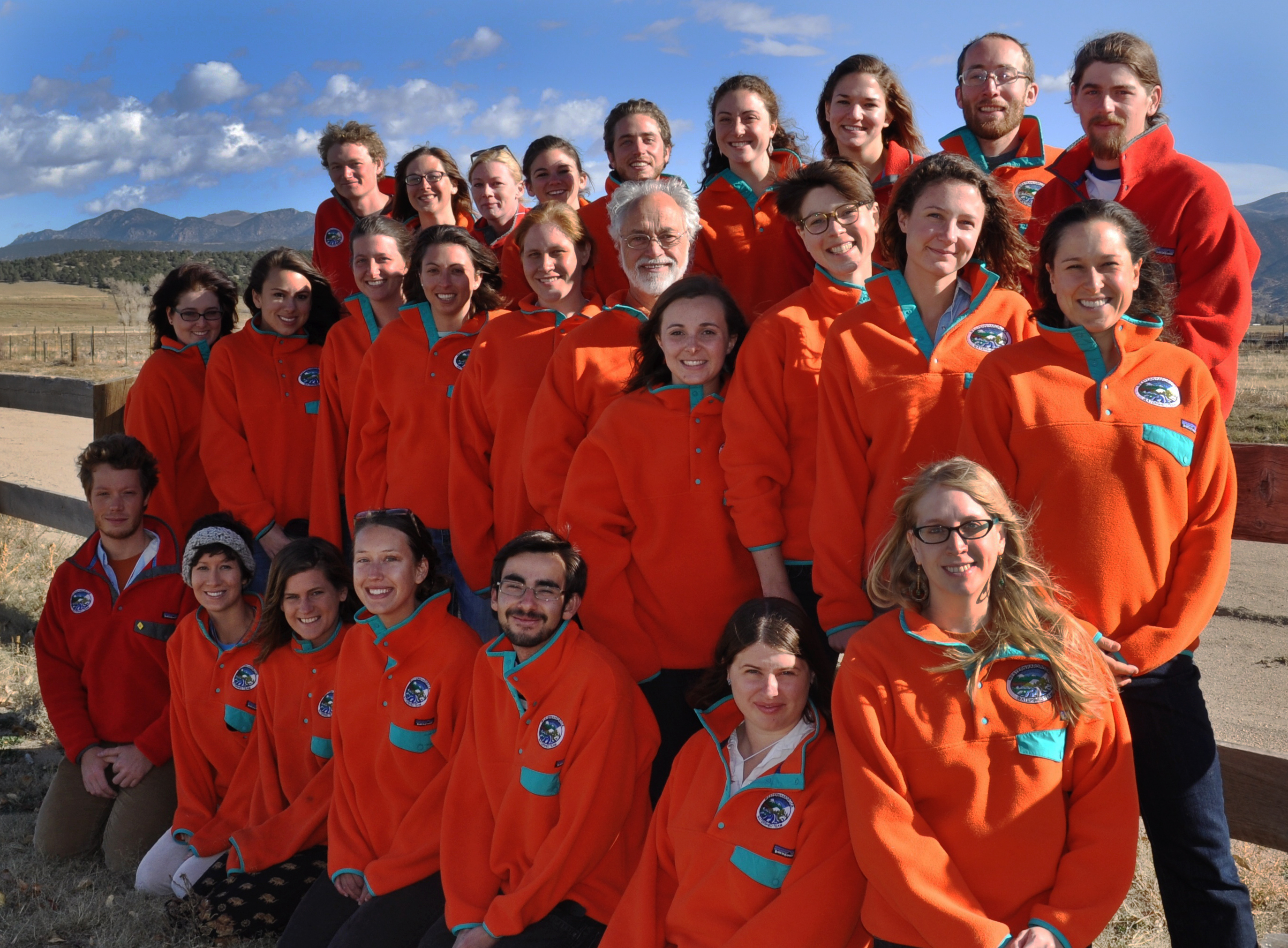
The Western Hardrock Watershed Team (WHWT) is an environmental stewardship program, founded in 2006, to improve at-risk ecosystems and increase citizen engagement in the revitalization of disadvantaged communities impacted by the historic mining of gold, silver, and other metals in rural New Mexico and Colorado. The Team is a unique collaboration between AmeriCorps*VISTA, the Office of Surface Mining (OSM), and local community/watershed groups. WHWT places college-graduate volunteers in capacity building positions with grassroots organizations to support citizen-centered sustainable solutions to environmental reclamation, water quality, economic development and healthy futures.
As one supervisor of a partner organization noted, WHWT “is allowing us to form partnerships and increase services that we could not dream of doing without their assistance. For example, forming the South Arkansas Watershed Coalition and partnering with organizations, landowners, and business owners, is resulting in [the] direct improvement of the health of the South Arkansas River.” Additionally, the WHWT OSM/VISTA volunteer “is helping to bring financial resources to landowners along the Collegiate Peaks Scenic and Historic Byway.” Plus, our “partnering with local groups… is resulting in the production of local, healthy food. Our future and those of the communities we serve are tied to developing and nurturing these partnerships.”
Western hardrock mining communities do not commonly have adequate access to the resources or the capacity to pursue environmental reclamation and economic development initiatives. These rural communities endure poverty, declining populations, and irregular economies yet remain proud of their community heritage and abundant natural resources. We provide a network of support, intensive leadership trainings, resources to improve services, and the ability to build long-term capacity for local improvements through fostering collaboration, generating public and private sector support, and engaging community volunteers.
Notable outcomes from WHWT efforts in 2012 include:
• Total # of hours donated by community volunteers: 18,033
• Overall # of waterways monitored by volunteers for water quality: 683
• Number of acres of national parks, state parks, city parks, county parks, or other public lands and tribal communities cleaned or improved through projects started, facilitated or assisted by WHWT: 282
• Number of miles of trails or rivers that are cleaned, improved, and/or created through projects started, facilitated or assisted by WHWT: 1,467
• Total hours of presentations, classes, trainings, etc. held in schools or with classes: 941
• # of new partnerships involved in WHWT projects: New Partnerships (total) -174
Through diverse projects such as riverbank restoration, community gardening, and water and soil conservation initiatives, WHWT supports environmental stewardship opportunities and innovative, community-based planning to bring people out of poverty. Our guiding goals include: building local capacity; promoting environmental stewardship; promoting economic redevelopment and community revitalization; and, enhancing outreach and education. Since its inception, the WHWT has raised millions of dollars in grants and in-kind donations and recruited thousands of volunteers. Our Team continues leading the way for pioneering environmental stewardship and economic development projects that support the capacity for positive change in rural Southwest mining communities.
0 comments